Baltimore

Page Overview

A concise Baltimore field guide for rowhouses, civic interiors, industrial landscapes, and key districts.

Visual References

A focused Baltimore image set for interiors, civic landmarks, conservatories, and observation structures

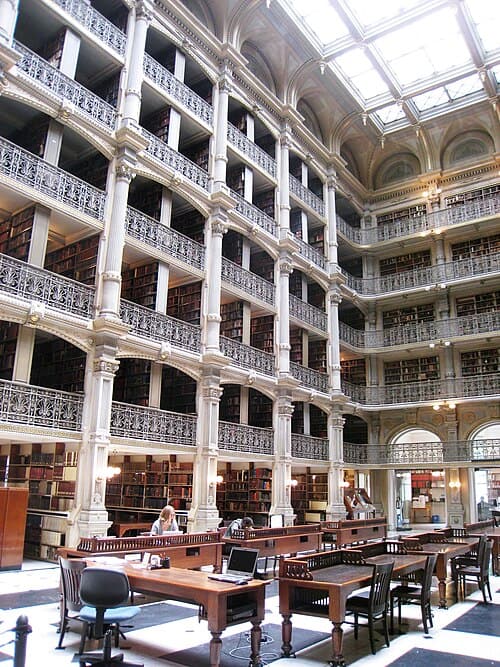
George Peabody Library view one

George Peabody Library

One of Baltimore’s signature interiors and a strong visual anchor for the Mount Vernon section of the page.

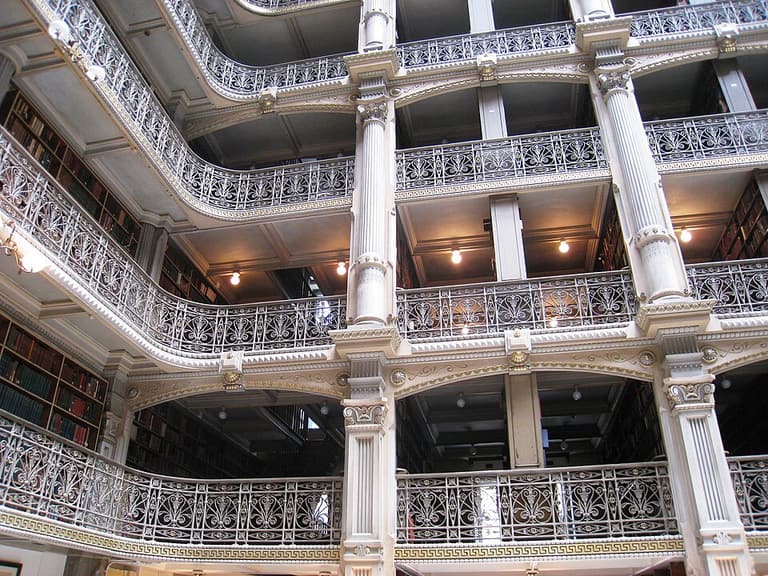
George Peabody Library view two

Peabody interior alternate

A second view that helps keep the Baltimore page tied to interior access and monumental civic space.

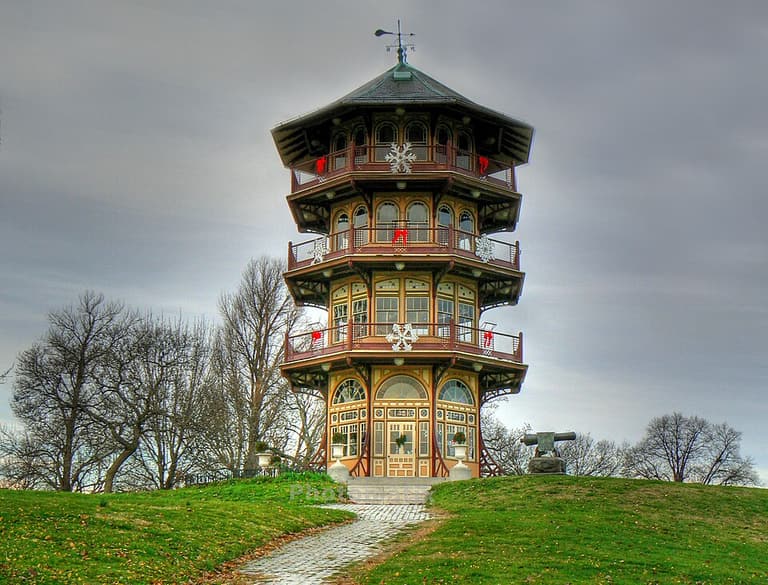
Patterson Park Pagoda

Patterson Park Pagoda

A distinctive observation structure that matches the page’s emphasis on viewpoints and unusual city landmarks.

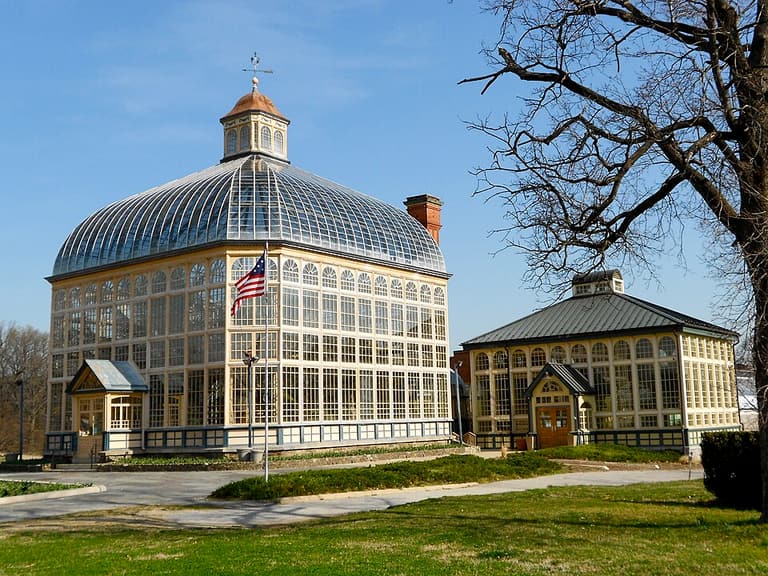
Rawlings Conservatory

Rawlings Conservatory

A glasshouse reference that broadens the Baltimore page beyond rowhouses and industrial districts.

Transit

Penn Station is the cleanest Baltimore rail anchor if you treat intercity rail, MARC, and local connections as one combined transit layer

Penn Station

Baltimore Penn Station as the main rail anchor

Baltimore Penn Station is the strongest first transit anchor for this page because it lands directly into the Mount Vernon side of the city and connects Amtrak, MARC, Light Rail, and the Charm City Circulator.

Local Connections

Light Rail, Circulator, and onward movement

Penn Station works best when you treat it as a handoff point rather than the end of the trip. The local connections that matter most are Light Rail, Charm City Circulator, and regional maps that show how those routes actually interlock.

Starting Resources

The fastest way into Baltimore architecture is through preservation maps, rowhouse research, and interior-access guides

What Baltimore Does Best

Baltimore is strongest when read as layered urban fabric, not as a short list of isolated landmarks

Rowhouse Urbanism

Rowhouses are the city’s repeating unit and core architectural DNA, from early waterfront houses to Italianate, Victorian, and later variations.

Monumental Civic and Religious Architecture

Mount Vernon compresses monuments, churches, libraries, museums, and formal urban composition into one unusually rich study zone.

Industrial and Mill Landscapes

Woodberry and Brick Hill make it possible to study mills, workers’ housing, terrain, and adaptive reuse together.

Priority Districts

The cleanest way to study Baltimore is through districts that reveal rowhouses, monuments, mills, commerce, and city viewpoints in sequence

Field Routes

High-yield sequences for monuments, rowhouses, mills, commercial streets, and city viewpoints

One-Day First Pass

Mount Vernon, Fells Point, Woodberry / Brick Hill, downtown commercial corridors, and a final skyline viewpoint make the strongest compressed route.

Route A and Route B

Use Mount Vernon for monuments and interiors, then Fells Point to Upper Fells Point for maritime fabric, early rowhouses, and Phoenix Shot Tower as an industrial object stop.

Route C, D, and E

Woodberry / Brick Hill / Rawlings works for mills and conservatory architecture, while downtown commercial corridors and skyline viewpoints finish the city-form read.

Open Assets

Low-friction image, document, and rights-reference sources for Baltimore architecture research